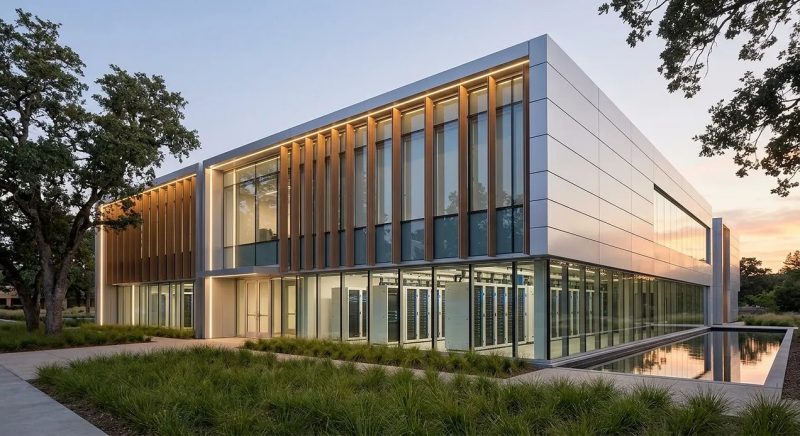
When a developer proposes a data center in your town, the conversation shouldn’t just be about whether to approve or deny the project—it should be about setting the terms. While data centers are generally low-impact neighbors compared to industrial manufacturing or heavy logistics, communities hold immense leverage to ensure these developments actively improve the surrounding area. By replacing passive approval with proactive negotiation, local leaders can secure lasting economic and aesthetic dividends.
Modern data centers offer many benefits to a community when leaders negotiate from a position of strength. Below is an negotiation checklist for local boards and community leaders:
- Water: Insist on closed-loop cooling systems that continuously recirculate water. These systems consume far less water than a typical golf course or agricultural site.
- Power: Require the developer to build self-sustaining power generation or microgrid capacity that feeds surplus electricity back into the local grid, helping stabilize or lower residential utility rates.
- Noise & Setbacks: Leverage the site’s acreage for spatial buffering. Developers frequently acquire large tracts (sometimes thousands of acres), while building on only a fraction of the land. Mandate generous visual and acoustic buffers using this excess acreage. Multi-hundred-yard setbacks, natural greenbelts, earthen berms, and native tree preservation can ensure that ambient machinery noise is virtually undetectable at property lines.
- Architecture: Demand high-end exterior building designs featuring contemporary lines, decorative screening, and quality facade materials rather than plain concrete boxes that disrupt the visual landscape.
- Infrastructure: Require the developer to fully fund and construct all necessary roadway improvements and access points to handle both temporary construction traffic and ongoing operational needs.
- Tax Base: Although local governments often provide incentives for new businesses to locate in the area, consider the long-term impact on the local tax base. Structure host agreements and tax terms so that project revenues directly fund local emergency services, schools, and road maintenance, lowering the long-term tax burden on current residents.
- Jobs & Local Commerce: Require commitments for sourcing local construction trades during build-out, while evaluating how permanent, high-paying technical roles fit into the town’s long-term economic plans. Consider the additional economic growth that comes from providing restaurants and other businesses to support the new workforce.
By setting these expectations early in the zoning process, communities can transform potential friction into a collaborative partnership, ensuring that the data center operates as a quiet, attractive, and high-value economic engine for decades to come.
See related articles.